Introduction
A fire broke out at a Les Schwab Tires warehouse in Prineville, Oregon, prompting a rapid response from Crook County Fire & Rescue and mutual aid departments. The incident occurred midday and was successfully contained before escalating into a large-scale loss event.
While damage was reported as limited and no injuries occurred, the incident highlights the inherent fire risk associated with tire storage and distribution environments, where combustible materials can contribute to rapid fire development if not quickly controlled. Fire Risk Considerations are super important.
Event Overview and Key Risk Drivers
Fire crews were dispatched shortly after noon and encountered a working fire within the warehouse, with flames visible along structural members upon arrival.
Thanks to quick access and coordinated suppression efforts, the fire was contained within approximately 45 minutes, preventing further spread throughout the 17,500-square-foot facility.
Despite the relatively favorable outcome, several key risk drivers were present:
● Combustible tire inventory stored within the warehouse
● Potential for heat buildup and concealed fire spread within stacked materials
● Structural involvement early in the incident
The fact that flames were already impacting structural components upon arrival suggests the fire had begun to develop beyond the incipient stage, underscoring the importance of early detection and response.
Tire Storage and Fire Behavior Considerations
Warehouses storing tires present a unique and elevated fire risk profile. Tires are composed of rubber compounds and petroleum-based materials, which can:
● Burn intensely once ignited
● Generate high heat release rates
● Produce dense, toxic smoke
● Be difficult to fully extinguish due to their shape and storage configuration
As discussed in our technical overview on tire manufacturing and storage (https://risklogic.com/tire-manufacturing/) , these facilities require specialized fire protection considerations, particularly when tires are stored in bulk or high-piled arrangements.
Additionally, our previous industry analysis of a large-scale tire fire in California (https://risklogic.com/industry_news/massive-fire-engulfs-menifee-ca-tire-shop-damaging-four-buildings/) demonstrated how quickly such incidents can escalate, resulting in multi-building damage and extended firefighting operations when not contained early.
In this Oregon event, the relatively limited loss can be largely attributed to rapid intervention before full involvement of stored tire inventory occurred.
Property Loss and Insurance Implications
Although structural damage was reported as minimal, this incident represents a near-miss scenario with significant potential loss implications.
In tire storage facilities, fire events can lead to:
Severe Property Damage
High heat output from burning tires can compromise structural systems and lead to partial or total building loss.
Inventory Loss Exposure
Large quantities of stored tires represent concentrated value and can result in substantial content claims.
Extended Suppression and Cleanup Costs
Tire fires are notoriously difficult to extinguish and may require prolonged firefighting operations, overhaul, and environmental remediation.
Environmental and Regulatory Considerations
Burning rubber materials produce heavy smoke and pollutants, potentially triggering environmental response requirements and air quality monitoring.
The limited damage in this case highlights how early containment can significantly reduce loss severity, even in inherently high-risk occupancies.
Operational Considerations
Fire crews remained on scene for several hours conducting overhaul operations, ensuring that any hidden hotspots were fully extinguished.
The involvement of multiple agencies, including ladder support and medical standby units, reflects the potential complexity of warehouse fires involving combustible goods, even when ultimately controlled.
Practical Takeaways
Recognize Tire Storage as a High-Hazard Occupancy
Tire warehouses require enhanced fire protection strategies due to fuel load and fire behavior characteristics.
Prioritize Early Detection and Rapid Response
Quick identification and suppression are critical in preventing full involvement of stored materials.
Evaluate Storage Configuration
High-piled or densely packed storage can accelerate fire spread and complicate suppression efforts.
Ensure Adequate Fire Protection Systems
Properly designed sprinkler systems and access for firefighting operations are essential in mitigating loss.
Plan for Environmental Impact
Facilities storing rubber-based products should consider potential air quality and environmental response requirements.
Bottom Line
The Prineville warehouse fire serves as a reminder that tire storage facilities carry significant inherent fire risk, even when incidents are ultimately contained.
This event underscores a critical point reinforced across prior Risk Logic analyses: in high-fuel-load environments such as tire storage, loss severity is often determined by the speed of detection and response.
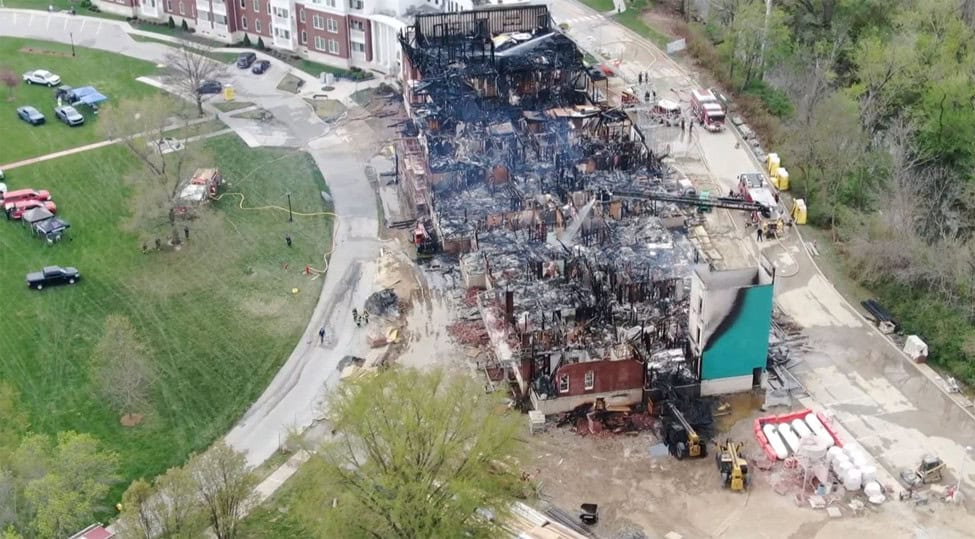
Photo 1: Fire crews stage apparatus outside the warehouse as suppression efforts continue to prevent the fire from spreading.
Photo 2: The Les Schwab Tire warehouse in Prineville, Oregon.
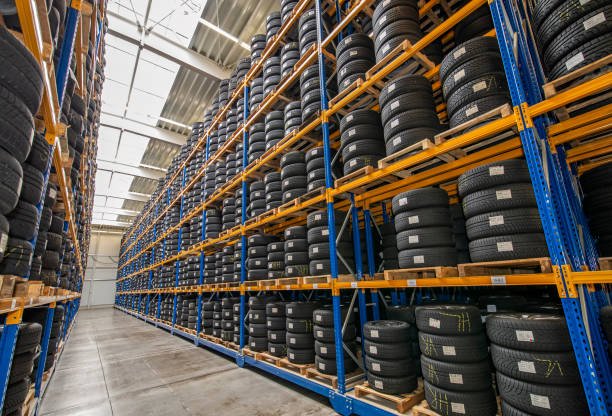
Tire Storage Stock Photo: Interior view of a tire warehouse highlights dense storage conditions and the significant combustible fuel load present in such facilities.